Epic Bible
The story of Daniel is about a young Jewish captive who was taken to Babylon around 605 BC and stayed faithful to God for about seventy years under foreign kings. He refused the king's food, interpreted Nebuchadnezzar's dreams, read the writing on the wall, and as an old man was thrown into the lions' den for praying, and God shut the lions' mouths. His story is told in the Book of Daniel, chapters 1 to 6, with his visions in chapters 7 to 12.
Who Was Daniel?
Daniel was a young man from Judah, probably from a noble or royal family (Daniel 1:3–6). In the third year of King Jehoiakim, Nebuchadnezzar of Babylon besieged Jerusalem and carried off temple treasures and some of the best young men of the nation. Daniel was one of them.
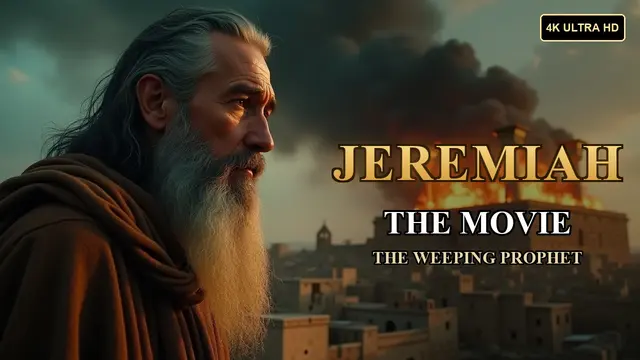
This was the very judgment the prophet Jeremiah had warned about for years. You can read that side of the story in the story of Jeremiah. Daniel would live through the reigns of Nebuchadnezzar, Belshazzar, Darius the Mede and Cyrus the Persian, outlasting the Babylonian Empire itself.
A New Name and the King's Table
In Babylon, Daniel and his friends Hananiah, Mishael and Azariah were enrolled in a three-year training program to serve in the king's court. They were given Babylonian names: Daniel became Belteshazzar, and his friends became Shadrach, Meshach and Abednego (Daniel 1:7).
They were also assigned food and wine from the king's own table. Daniel drew a quiet line:
But Daniel purposed in his heart that he would not defile himself with the portion of the king's meat, nor with the wine which he drank: therefore he requested of the prince of the eunuchs that he might not defile himself.
— Daniel 1:8 (KJV)
He did not rebel or insult anyone. He asked politely for a ten-day test of vegetables and water. At the end, the four young men looked healthier than all the others, and God gave them knowledge and wisdom beyond everyone in the kingdom (Daniel 1:12–20).
Nebuchadnezzar's Dream of the Statue
Nebuchadnezzar had a troubling dream and demanded that his wise men tell him both the dream and its meaning, or die. No one could. Daniel asked for time, and he and his friends prayed. That night God revealed the secret to Daniel, and he praised God:
And he changeth the times and the seasons: he removeth kings, and setteth up kings: he giveth wisdom unto the wise, and knowledge to them that know understanding:
— Daniel 2:21 (KJV)
The king had seen a huge statue with a head of gold, chest of silver, belly of bronze, legs of iron and feet of iron mixed with clay. A stone "cut out without hands" struck the feet, and the whole statue crumbled, while the stone became a great mountain that filled the earth (Daniel 2:31–35). Daniel explained that the metals stood for kingdoms that would rise and fall, and the stone was a kingdom God Himself would set up, which would never be destroyed (Daniel 2:44). Nebuchadnezzar honored Daniel and made him ruler over the province of Babylon.
The Fiery Furnace
Later, Nebuchadnezzar built a golden image ninety feet tall and ordered everyone to bow when the music played. Shadrach, Meshach and Abednego refused. Their answer to the furious king is one of the bravest statements in the Bible:
If it be so, our God whom we serve is able to deliver us from the burning fiery furnace, and he will deliver us out of thine hand, O king. But if not, be it known unto thee, O king, that we will not serve thy gods, nor worship the golden image which thou hast set up.
— Daniel 3:17–18 (KJV)
"But if not" is the heart of their faith. They trusted God whether or not He rescued them. The furnace was heated seven times hotter, and they were thrown in bound. Then the king saw something he could not explain:
He answered and said, Lo, I see four men loose, walking in the midst of the fire, and they have no hurt; and the form of the fourth is like the Son of God.
— Daniel 3:25 (KJV)
They came out without even the smell of fire on them (Daniel 3:27). Daniel is not mentioned in this chapter, and the Bible does not say where he was.
The King Who Ate Grass
Daniel warned Nebuchadnezzar that a dream of a great tree cut down was about the king himself (Daniel 4). A year later, while boasting over "great Babylon, that I have built," the king lost his mind and lived like an animal in the fields until he humbled himself and praised the God of heaven (Daniel 4:30–37).
The Writing on the Wall
Years later, King Belshazzar held a feast and drank from the gold cups taken from the temple in Jerusalem. The fingers of a man's hand appeared and wrote on the palace wall, and only the aged Daniel could read it: MENE, MENE, TEKEL, UPHARSIN. God had numbered the kingdom's days and would give it to the Medes and Persians. The middle word was the hardest:
TEKEL; Thou art weighed in the balances, and art found wanting.
— Daniel 5:27 (KJV)
That same night Belshazzar was killed, and Darius the Mede took the kingdom (Daniel 5:30–31).
Daniel and the Lions' Den
The most famous part of the story of Daniel comes in chapter 6, when he was probably over eighty years old.
The Trap
Darius set 120 officials over his kingdom and three presidents over them, Daniel among them. Because "an excellent spirit was in him," the king planned to put him over the whole realm (Daniel 6:3). The other officials grew jealous and searched his work for a fault, but found none. So they decided to attack him through his faith.
They persuaded Darius to sign a decree: for thirty days, anyone who prayed to any god or man except the king would be thrown into the den of lions. Under the law of the Medes and Persians, a signed decree could not be changed (Daniel 6:7–9).
Daniel Keeps Praying
Daniel's response is the center of the whole chapter:
Now when Daniel knew that the writing was signed, he went into his house; and his windows being open in his chamber toward Jerusalem, he kneeled upon his knees three times a day, and prayed, and gave thanks before his God, as he did aforetime.
— Daniel 6:10 (KJV)
Notice the last words: "as he did aforetime." Daniel did not stage a protest or start a new habit. He simply kept the same open window and the same prayer times he had kept for decades. Praying toward Jerusalem echoed Solomon's prayer that God would hear His people when they prayed toward the city from a foreign land (1 Kings 8:46–49).
Into the Den
His enemies found him praying and reported him. Darius was deeply distressed and worked until sundown to find a way to save him, but he was trapped by his own law (Daniel 6:14–15). Daniel was brought to the den, and the king said something remarkable:
Then the king commanded, and they brought Daniel, and cast him into the den of lions. Now the king spake and said unto Daniel, Thy God whom thou servest continually, he will deliver thee.
— Daniel 6:16 (KJV)
A stone was laid over the mouth of the den and sealed with the king's signet. Darius went back to his palace and spent the night fasting, with no music, unable to sleep (Daniel 6:17–18).
"My God Hath Sent His Angel"
At dawn the king hurried to the den and called out in anguish, asking whether Daniel's God had been able to save him. From the darkness came Daniel's voice:
My God hath sent his angel, and hath shut the lions' mouths, that they have not hurt me: forasmuch as before him innocency was found in me; and also before thee, O king, have I done no hurt.
— Daniel 6:22 (KJV)
Daniel was lifted out, and no injury of any kind was found on him, "because he believed in his God" (Daniel 6:23). The men who had accused him were then thrown into the same den. Darius sent a decree to the whole empire, declaring that the God of Daniel is the living God whose kingdom will never be destroyed (Daniel 6:25–27). Hebrews 11:33 later remembers those who through faith "stopped the mouths of lions."
What the Lions' Den Teaches
- Faithfulness is built before the crisis. Daniel did not suddenly become brave. His courage came from years of daily prayer.
- Integrity disarms critics. His enemies could find no fault except his devotion to God.
- God is present in the dark. The Bible does not describe Daniel's night, only that God sent His angel.
- Prayer is not a performance. Daniel prayed openly, but not for show. He simply refused to hide.
If fear is keeping you awake like it kept King Darius awake, these Bible verses about anxiety may help.
Daniel's Prayer and the Seventy Years
In the first year of Darius, Daniel read the scroll of Jeremiah and understood that the exile would last seventy years (Daniel 9:2). He fasted and prayed a long prayer of confession for his people. The angel Gabriel came and called him "greatly beloved," and gave him the prophecy of the seventy weeks (Daniel 9:20–27). Soon after, Cyrus allowed the Jews to return home and rebuild the temple (Ezra 1:1–4).
Daniel's Visions
Chapters 7 to 12 record Daniel's visions, including four beasts from the sea and one "like the Son of man" receiving an everlasting kingdom (Daniel 7:13–14). Sincere Christians interpret many details differently, but all agree on the central message: earthly empires pass, and God's kingdom stands forever.
The book closes with a personal promise to Daniel that he would rest and rise again "at the end of the days" (Daniel 12:13).
Watch the Movie
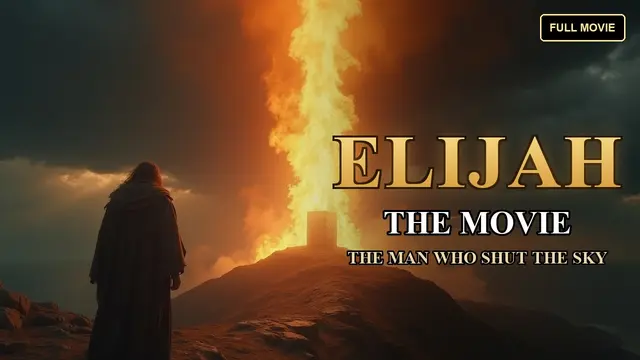
The full film, Daniel – The Movie, is at the top of this page. In about thirty minutes it follows Daniel from the march into Babylon in chains to the king's table, the fiery furnace, the writing on the wall and the long night in the lions' den. The next film in the series is the story of Elijah.
Frequently Asked Questions
How old was Daniel in the lions' den?
The Bible does not give his exact age. He was taken to Babylon as a youth around 605 BC, and the lions' den happened after Babylon fell in 539 BC. That would make him at least in his eighties.
Why was Daniel thrown into the lions' den?
Jealous officials tricked King Darius into signing a decree that banned prayer to anyone but the king for thirty days. Daniel kept praying to God three times a day at his open window, as he always had, and was reported. Because the law could not be changed, Darius had to throw him in (Daniel 6).
Was Daniel in the fiery furnace?
No. The fiery furnace in Daniel 3 involved his three friends, Shadrach, Meshach and Abednego. Daniel is not mentioned in that chapter, and Scripture does not say where he was at the time.
Who was the fourth man in the fire?
King Nebuchadnezzar said the fourth figure looked "like the Son of God" (Daniel 3:25), and later called him an angel (Daniel 3:28). Many Christians believe it was a pre-incarnate appearance of Christ, while others understand it as an angel sent by God. Either way, God was with them in the fire.
What does Mene, Mene, Tekel, Upharsin mean?
These Aramaic words refer to weights and measures. Daniel explained that God had numbered Belshazzar's kingdom and ended it, weighed the king and found him wanting, and divided his kingdom among the Medes and Persians (Daniel 5:25–28).
Watch the Bible come alive
New full-length Bible movies every week on our YouTube channel.
▶ Subscribe to Epic Bible Movies